

Understanding Anxiety and Its Impact
By Clinical Mental Health Team
Anxiety is a common experience, and in some situations, a little anxiety can be helpful. It keeps us alert, encourages safety measures like wearing seatbelts, and can even improve performance in stressful situations, such as public speaking.
However, excessive anxiety can interfere with daily life and relationships. Anxiety disorders are defined in the Diagnostic and Statistical Manual of Mental Disorders (DSM-5) as conditions characterized by excessive fear, anxiety, and related behavioral disturbances. Fear is an emotional response to a real or perceived threat, while anxiety involves anticipating future threats.
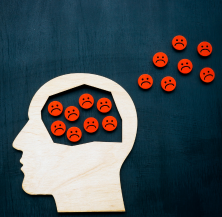
Anxiety takes many forms. Generalized Anxiety Disorder (GAD) involves persistent, uncontrollable worry, tension, and physiological symptoms such as disturbed sleep, muscle tension, and difficulty concentrating. GAD often occurs alongside depression, increasing its impact on work, relationships, and daily functioning.
The lifetime prevalence of GAD is estimated at 5.7% by the National Institute of Mental Health, meaning it is a common mental health concern. Recognizing excessive worry and anxiety is the first step toward managing it.
The good news is that anxiety disorders, including GAD, are highly treatable. Psychotherapy can help address past and present stressors contributing to anxiety, while medications can support more severe cases. Often, a combination of therapy and medication provides the best outcomes. Developing coping skills and learning to manage anxiety enables individuals to regain control and live life fully.
Taking action toward managing anxiety is a step toward reclaiming balance, well-being, and peace of mind.