

Understanding Inclusion and Supporting Mental Health
By Clinical Mental Health Team
It’s important to take time to reflect on the experiences of people with disabilities and the importance of inclusive communities. Whether someone lives in your household or in a neighboring community, many of us know someone personally impacted by disability. In the United States, up to 1 in 4 adults (26%) have some type of disability. Breaking this down: 11.1% experience mobility challenges, 10.9% cognitive, 6.4% difficulty with independent living, 5.7% hearing, 4.9% vision, and 3% self-care.
It is important to recognize that even two people with the same type of disability can be affected in very different ways. Many disabilities may be hidden or not immediately visible. Adults with disabilities report experiencing frequent mental distress almost five times as often as adults without disabilities.
What Disability Inclusion Means
Disability inclusion involves understanding how people function and participate in society, and ensuring everyone has equal opportunities to engage fully in all aspects of life. Disability impacts all of us, whether or not we personally experience it. Every human being has a desire for acceptance, connection, and meaningful relationships, and fostering inclusive spaces supports mental wellness for everyone.
A powerful lesson comes from Zelda Mycroft, who shared advice for teaching her child about disability inclusion: “Accept the power of being noticed; invite the questions that are undeniably there and make time for conversation. Be the bridge; grow the conversation.”
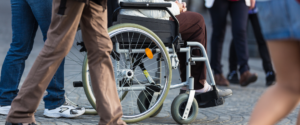
For example, children often ask direct questions about visible disabilities, like wheelchairs, without hesitation. Adults may shy away from responding due to social norms or fear of being insensitive. Encouraging open dialogue helps demystify disability, fosters understanding, and creates connections. Individuals with disabilities can use their visibility as an opportunity to educate and build inclusive communities.
Awareness and inclusion are closely tied to emotional and mental well-being. People with disabilities may face additional stressors, including social stigma, accessibility challenges, and feelings of isolation. Access to mental health support and counseling is vital. Therapy provides a safe space to process emotions, build coping skills, and strengthen resilience.